

A supplier sends a quote. The price looks reasonable, but does it include your packaging? Has the supplier allowed for the material you specified? Before you place an order in Yiwu, those questions need written answers. This guide follows six steps: the product brief, supplier search, samples, order confirmation, inspection, and shipping.
For the wider service overview, see our Yiwu sourcing process overview. Here, we focus on what you need to approve at each stage and which records to keep.
If two quotes use different materials or delivery terms, comparing their unit prices can be misleading. Settle those differences before you choose a supplier.
Key Takeaways
- Approve the brief, supplier, sample, order, inspection result, and shipment details in writing.
- Keep one written, revision-controlled product specification from the first quote through final inspection.
- Set acceptance criteria and delivery responsibilities before production; timing, MOQ, and freight depend on the product and route.
What are the six stages of the Yiwu sourcing process?
You can organize the work into six stages. At the end of each one, check that the next person has the information they need. A factory needs the approved specification; an inspector needs the acceptance criteria; a freight forwarder needs accurate cargo details. Decide who approves each handoff before work starts.
- Brief: Define product requirements, quantity, destination, and must-have standards.
- Search: Find suitable suppliers and compare complete, like-for-like quotes.
- Sample: Check a physical sample against measurable requirements and record approval.
- Order: Put the approved specification, price, quantity, schedule, and terms in writing.
- Inspect: Check production against agreed acceptance criteria and decide whether to pass, hold, or correct.
- Ship: Reconcile packed quantities, documents, delivery terms, and consignee details.
A market visit can help buyers discover products, but discovery is only one part of sourcing. The project also needs a way to record decisions, resolve differences, and confirm that the goods packed for export match the order.
What belongs in a product brief before you search Yiwu suppliers?
A useful brief describes the product well enough for two suppliers to quote the same thing. Include material, dimensions, function, finish, quantity, packaging, destination, and required tests or documents. Mark each requirement as mandatory or preferred. If a detail is undecided, ask suppliers to quote clearly labelled options instead of silently making assumptions.

- Product identity: Name, reference photos, drawings, target use, and any existing sample.
- Specifications: Material, size, tolerances, colour, finish, function, and acceptable variation.
- Volume: Quantity by SKU, target order size, and expected repeat demand if known.
- Packaging: Retail packaging, barcodes, labels, carton marks, and packaging tests that matter.
- Commercial details: Target price range, sample budget, customization, artwork, or tooling.
- Destination: Country, delivery address or port, and known product compliance requirements.
Delivery terms also belong in the conversation. The International Chamber of Commerce explains that Incoterms rules allocate specific delivery responsibilities, costs, and risks between buyer and seller. Agree on the applicable rule and named place with the supplier or logistics provider; a trade term alone does not replace a complete purchase contract (ICC, Incoterms 2020).
Practical check: Ask whether a supplier could interpret each requirement without calling you. If not, add a drawing, measurement, reference image, or written example before requesting a final quote.
How do you find and qualify Yiwu suppliers?
Shortlist suppliers that can make the product you described, then ask them to show how they meet your requirements. What similar items have they supplied? Can they meet your quantity and packaging needs? Record the answers alongside the quote so you can see where each offer falls short.
Start by clarifying whether you are speaking with a manufacturer, trading company, market vendor, or another intermediary. Ask who will make the goods, where production will happen, and who is responsible if a sub-supplier is involved. Ask for evidence of production capability beyond a showroom, website, or business card.
Request comparable written quotes. Include unit price, MOQ, sample cost, customization or tooling, production schedule, packaging, payment terms, and delivery basis. Note what is excluded. When suppliers answer the same questions, the differences become easier to evaluate.
- Product fit and ability to meet the specification.
- Business identity and the supplier’s role in production.
- Quality documents or test evidence relevant to the product.
- MOQ, sample cost, lead time, tooling, and payment terms.
- Communication quality, unanswered questions, and willingness to document commitments.
Keep final approval of the supplier and sample with your buying team. If an agent receives commissions, markups, or other compensation from suppliers, ask for clear disclosure. A sourcing partner should be able to explain what work is included and how supplier recommendations are made.

How should you compare and approve product samples?
Check the physical sample against your brief before you approve it. Label it with the supplier, SKU, revision, and date, then record any differences in material, dimensions, finish, function, or packaging. Photos help, especially when you need another sampling round. Keep the same checklist for the revised sample.
When a sample misses a requirement, state the gap and request a correction or revised sample. Avoid vague feedback such as “make it better.” Specify the measurement, colour reference, component, or performance that needs to change. If the product is acceptable only with a particular packaging or accessory, include that condition in the approval record.
Sample approval does not automatically approve mass production. The purchase order should identify the approved sample or specification revision and explain how production will be checked against it. Retaining a reference sample can help both sides resolve later questions, subject to the product and project requirements.
What should the purchase order confirm before production?
The purchase order should translate the approved sample and brief into clear production and commercial requirements. Identify each SKU and revision, quantity, unit price, packaging, schedule, payment milestones, inspection access, and delivery terms. State how the parties will handle deviations, rework, or a failed inspection before production starts.
- SKU, specification revision, approved sample, quantity, and permitted variation.
- Unit price, currency, sample/tooling charges, and payment milestones.
- Production schedule, packaging, labels, and carton requirements.
- Inspection scope, acceptance criteria, corrective action, and re-inspection process.
- Named delivery rule and place, freight booking responsibility, and required shipping documents.
- Ownership or handling of artwork, moulds, and tooling where relevant.
Use one controlled version of the specification. If the buyer changes a material, dimension, label, or packaging after approval, document the change and confirm any effect on price or schedule. A message thread can support the record, but the final order documents should point to the current approved version.
Payment schedules vary by order. The parties should agree on milestones that reflect the transaction and applicable contract terms. Confirm the Incoterm and named place precisely, and clarify who books freight, arranges insurance, prepares export paperwork, and handles import clearance.
What happens during a Yiwu quality inspection?
Agree on the inspection criteria before production starts. If a requirement says only “good finish,” the inspector has little to work with. Describe acceptable workmanship, list the checks the product needs, and decide how you will handle defects. Inspection can then give you evidence for accepting the goods or asking for corrections.
Depending on product risk and schedule, a buyer may arrange a pre-production review, an in-process check, a pre-shipment inspection, or a combination. Inspectors may verify quantity, appearance, dimensions, function, labels, and packaging. The inspection plan should focus on relevant product requirements rather than applying the same checklist to every category.
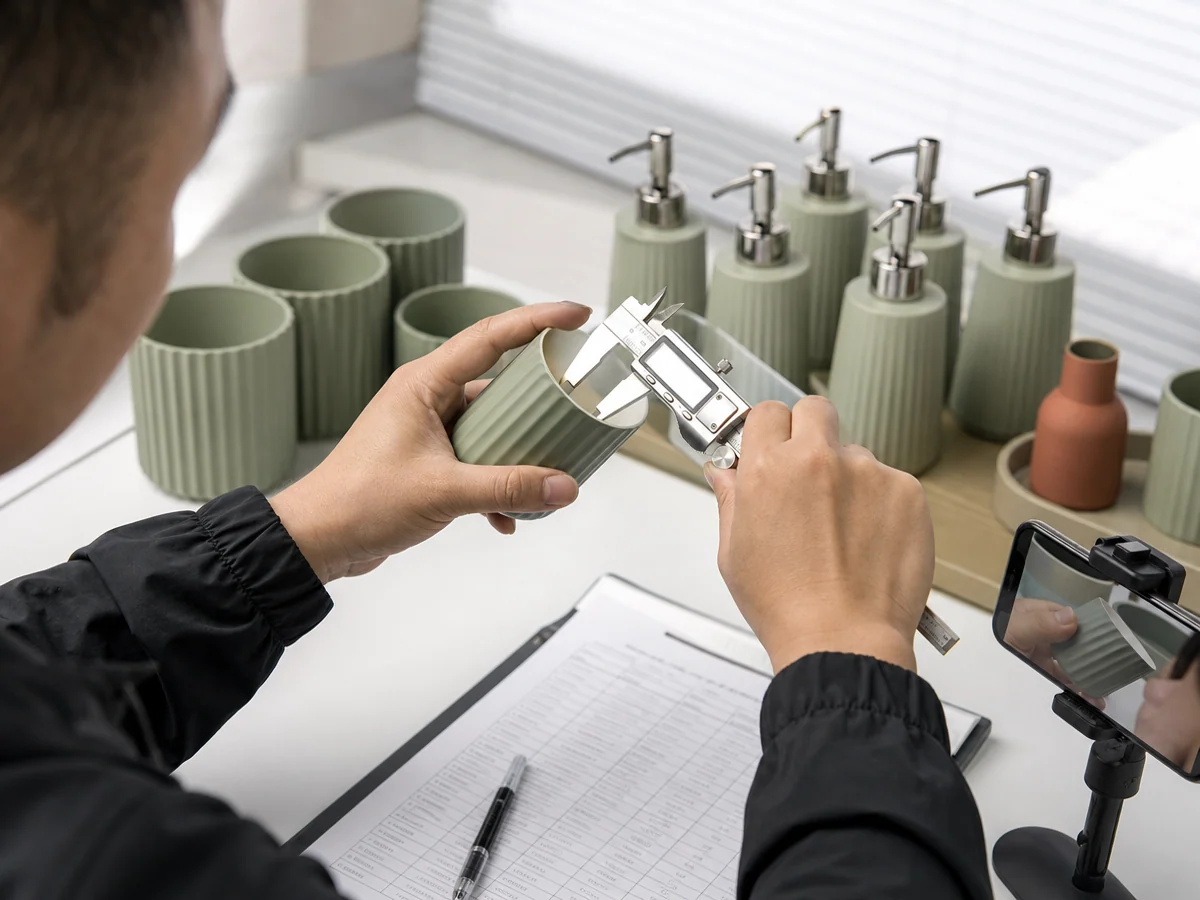
If your inspection uses sampling, ask how many items the inspector will check and how the acceptance criteria work. A sample-based inspection leaves some items unchecked, so a passing result cannot guarantee zero defects across the lot. Agree on defect classifications and the action required if the inspection fails.
A useful report identifies the product and lot, inspection date, method, sample checked, findings, photographs, and recommended disposition. If the result is not acceptable, pause release, agree corrective action, and determine whether a re-inspection is needed. Link the inspection result to the exact purchase order and specification revision.
Learn about quality inspection services and agree the inspection scope before goods are ready to ship.
How do you ship products from Yiwu after inspection?
Before booking shipment, check the inspection result and confirm that any required corrections are complete. Match the packed quantities to the packing list, and check the consignee details carefully. Then confirm who handles freight booking, export clearance, insurance, and import entry. A wrong address or missing document can hold up otherwise acceptable goods.

Common shipment paperwork includes a commercial invoice, packing list, and transport document such as a bill of lading or air waybill. The exact requirements depend on the goods, route, carrier, and destination. Confirm product-specific permits, labels, declarations, and customs requirements with the appropriate broker or authorities rather than assuming one document set works everywhere.
Sea, rail, air, and express services serve different shipment sizes, urgency, routes, and budgets. Compare dated quotes using the same cargo details and delivery scope. Transit time and freight cost can change with the lane, season, capacity, and service level. Ask what the quote includes and what charges may arise at origin or destination.
| Mode | Often considered when | Check before booking |
|---|---|---|
| Sea | Cargo volume and schedule allow a slower transit option | Consolidation, port charges, sailing schedule, and destination fees |
| Rail | The route and service support the destination and cargo | Route availability, border handling, schedule, and cargo restrictions |
| Air | Urgency or product value supports higher transport cost | Chargeable weight, airline restrictions, and airport charges |
| Express courier | Small parcels or urgent samples need door-to-door service | Weight/size limits, remote-area fees, and customs handling |
Review shipping logistics from Yiwu when comparing freight options and responsibilities.
When does a Yiwu sourcing agent add value?
A Yiwu sourcing agent can help when local supplier search, Mandarin negotiation, sample coordination, inspection, or shipment follow-up would stretch the buyer’s time or local capacity. Compare the fee with the tasks you need help with. For a small repeat order from an established supplier, you may need less support than for a new range spread across several suppliers.
Before engaging an agent, ask who will search suppliers, how candidates are assessed, what the fee includes, and whether any supplier compensation is disclosed. Confirm who approves the supplier, sample, production changes, inspection outcome, and cargo release. These approval rights should remain clear throughout the project.
Be cautious if a provider will not put scope or fees in writing, makes unverified claims, hides supplier relationships, or pressures you to skip sample approval or inspection. A good working arrangement leaves the buyer with records and decisions at every stage.
Home Evolution coordinates supplier search, samples, quality inspection, and shipping from Yiwu. Ask for a written scope that sets out the work, fees, and approvals for your order.
Watch the handoffs closely. For example, if a sample changes but the purchase order still names the old revision, the factory may follow the wrong instructions. Whenever you approve a change, check which documents and people also need the update.
Frequently asked questions
How long does the Yiwu sourcing process take?
Ask for a schedule based on your product and order. Supplier search, sample revisions, production, inspection corrections, and freight can each affect the delivery date. Ask suppliers and logistics providers for dated estimates by stage, then update the schedule when specifications or quantities change.
What is the minimum order quantity in Yiwu?
MOQ depends on the supplier, product, materials, customization, and packaging. Request a quote at your actual quantity and ask which costs change at higher volumes. A custom colour, logo, or retail package may have a different minimum from an unmodified stock item.
Should products be inspected before shipment?
For orders where defects, packaging, or quantity errors would create meaningful cost or customer risk, agree an inspection plan before production and complete the required checks before release. Inspection scope should match the product and written acceptance criteria. Confirm the inspection scope with your provider before placing the order.
Can a Yiwu sourcing agent find products from other parts of China?
Some sourcing projects include suppliers beyond Yiwu, depending on the product and the agent’s coverage. Ask where the supplier and production site are located, who will visit or verify them, and whether the service includes coordination across regions. The best production location depends on category and capability.
What documents are needed to ship products from China?
Common documents include a commercial invoice, packing list, and the relevant transport document. Other declarations, permits, certificates, labels, or customs records may apply based on product and destination. Confirm the exact set with your freight forwarder or customs broker before dispatch.
Put each sourcing decision in writing
Before you approve the next step, check the paperwork against the last decision you made. Does the order name the approved sample? Does the inspector have the current specification? Do the shipping documents match the packed goods? These checks are easier to resolve while the supplier still has time to act.
If you have a product brief, send it to Home Evolution with your quantities and destination. Contact our team to discuss supplier search, sampling, inspection, and shipping.